
By Kalev Vapper
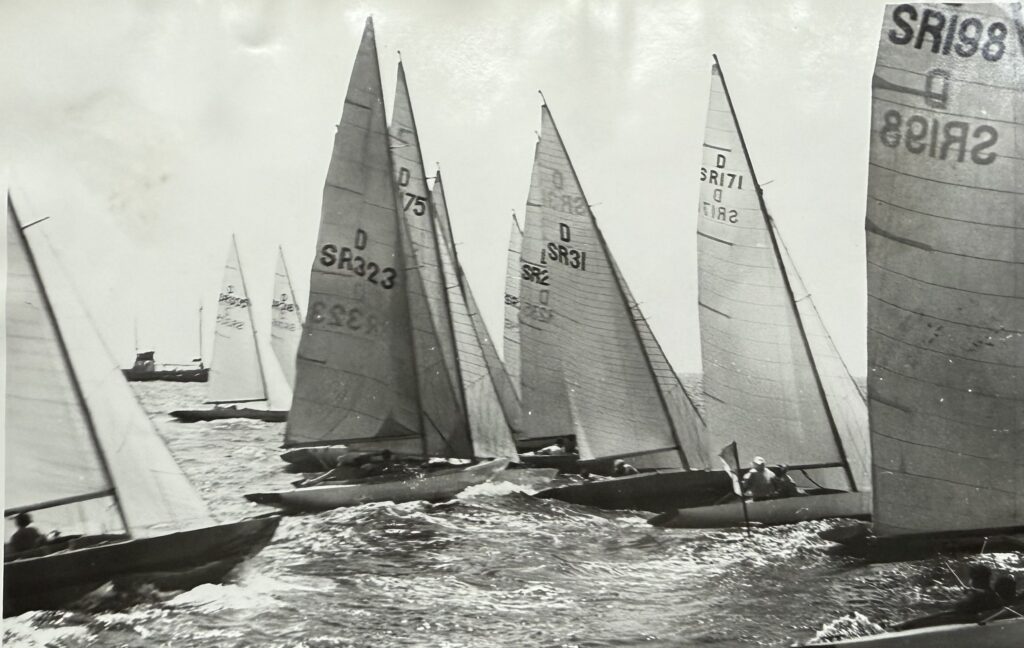
In recent years, Tallinn Bay has once again seen a rising fleet of elegant and beautiful Dragon-class keelboats carving through its waters. Each season, more beautifully maintained and expertly restored Dragons find their way to Estonia. Here, this graceful and regal class is enjoying a genuine renaissance after decades of obscurity caused by Soviet sports policy, which effectively sidelined the Dragon once it was dropped from the Olympic programme after the 1972 Games.
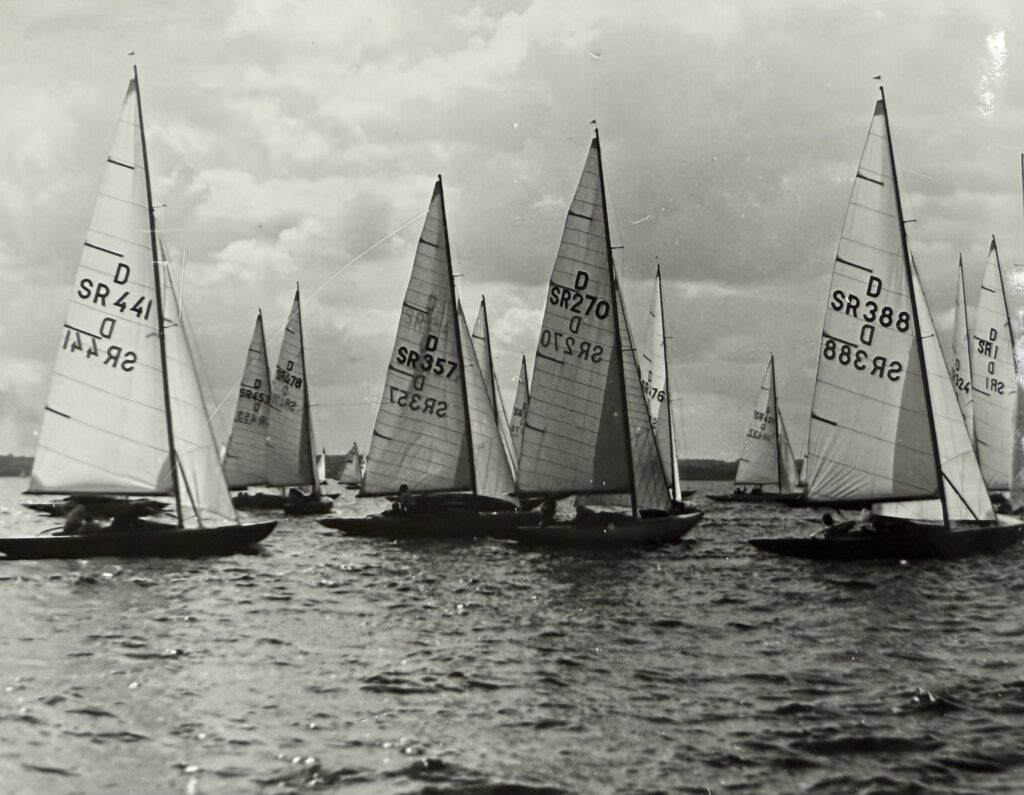
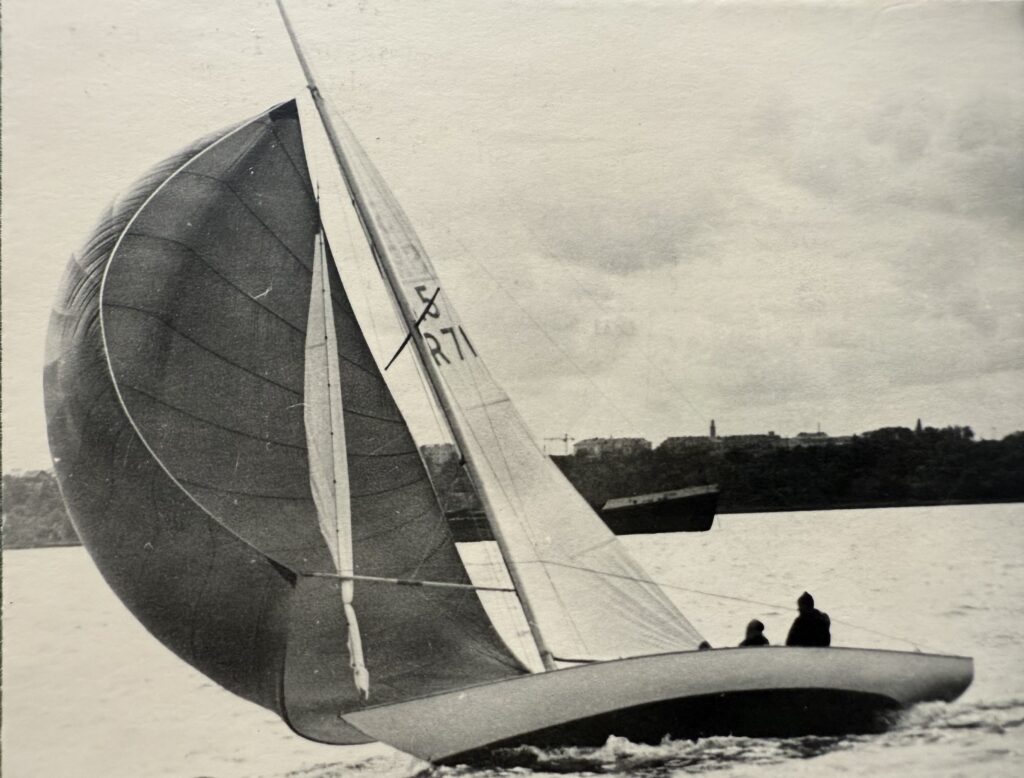
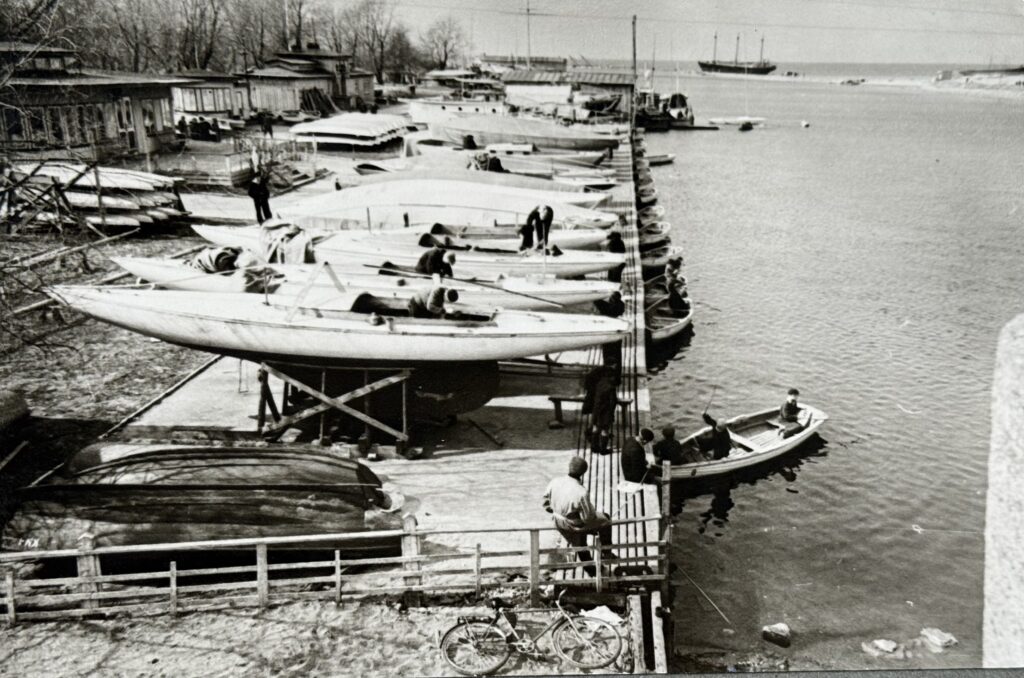
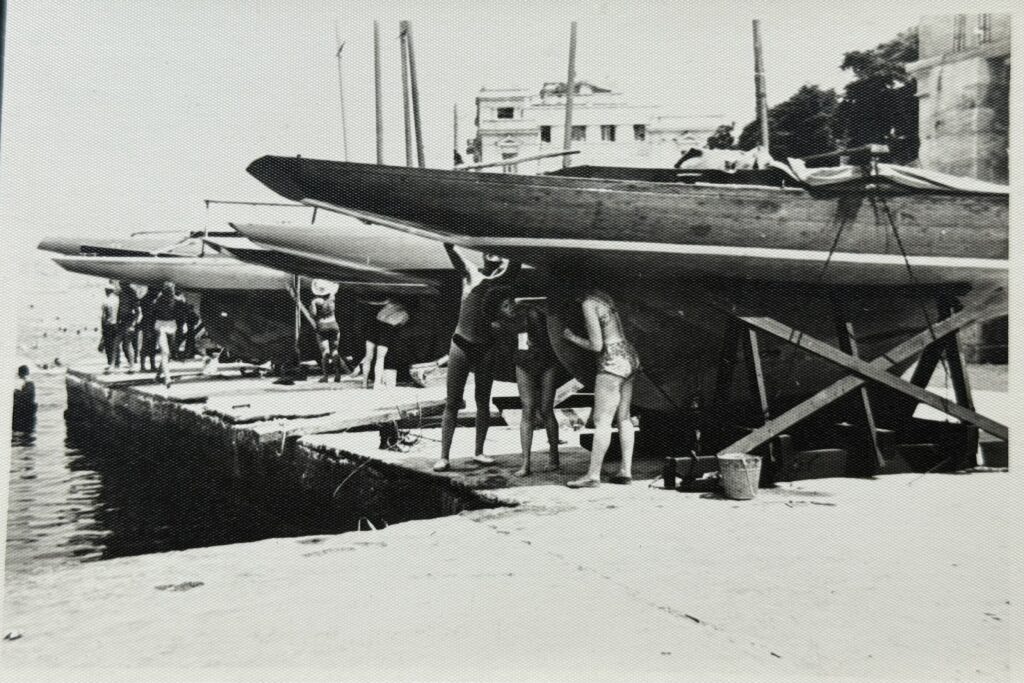
When the Dragon was still an Olympic class, a 1949 decree required that all Olympic-class yachts in the Soviet Union be built at the Tallinn Experimental Sports Boat Factory. Located in Pirita until the mid-1970s, this factory was the largest builder of sports boats in Europe, producing nearly 3,000 vessels a year. Most were dinghies, but a significant number of keelboats were completed as well. Among them were no fewer than 989 Dragons, built between 1952 and 1972, with the first launched in the summer of 1952.
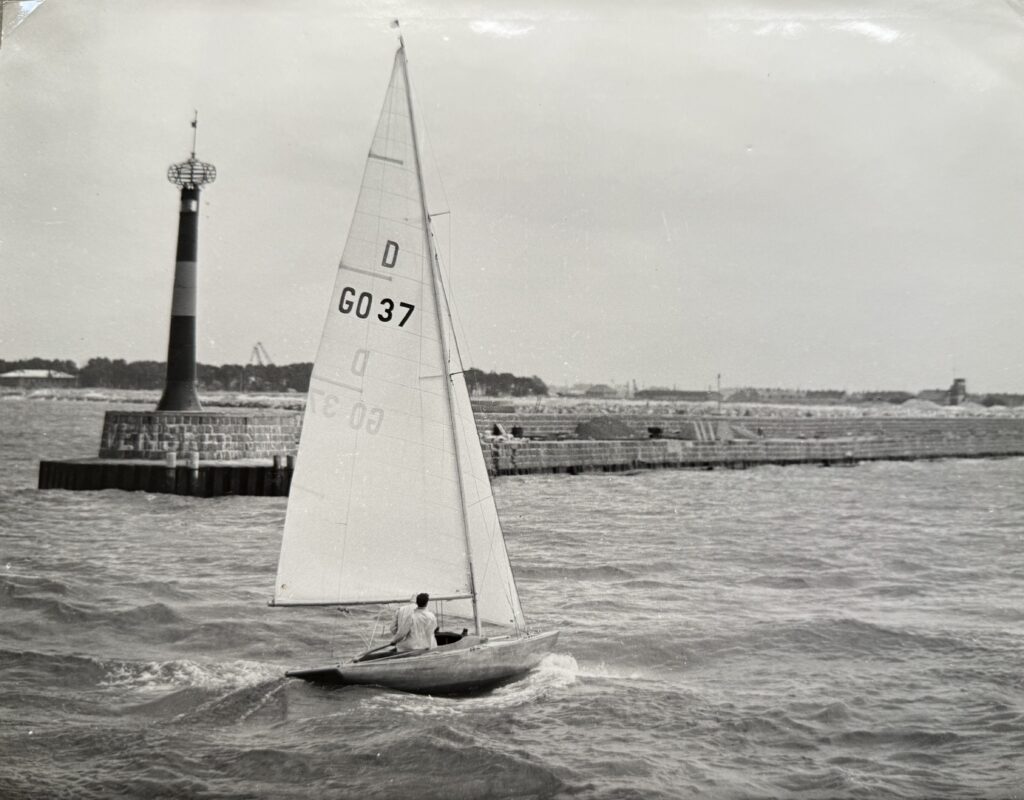
Dragon production at the Tallinn Experimental Sports Boat Factory ceased immediately after the class lost its Olympic status. Under Soviet sports policy, only Olympic classes received funding and attention. The result was unfortunate: of nearly a thousand Dragons built in Estonia, only one has survived here under sail – a 1964 mahogany hull, number 435, originally named Dnepr and sailed by Mihhail Bobritski, then head of the Navy Yacht Club based in Tallinn. After Estonia regained independence, the boat received the sail number EST 1 in 1997. Restored at the Kalev Yacht Club by Jevgeni Kazakov, this historic Dragon continues to sail today in excellent condition under the name My Dream. A few more Tallinn-built Dragons may still survive somewhere in Russia, but their fate is unknown.
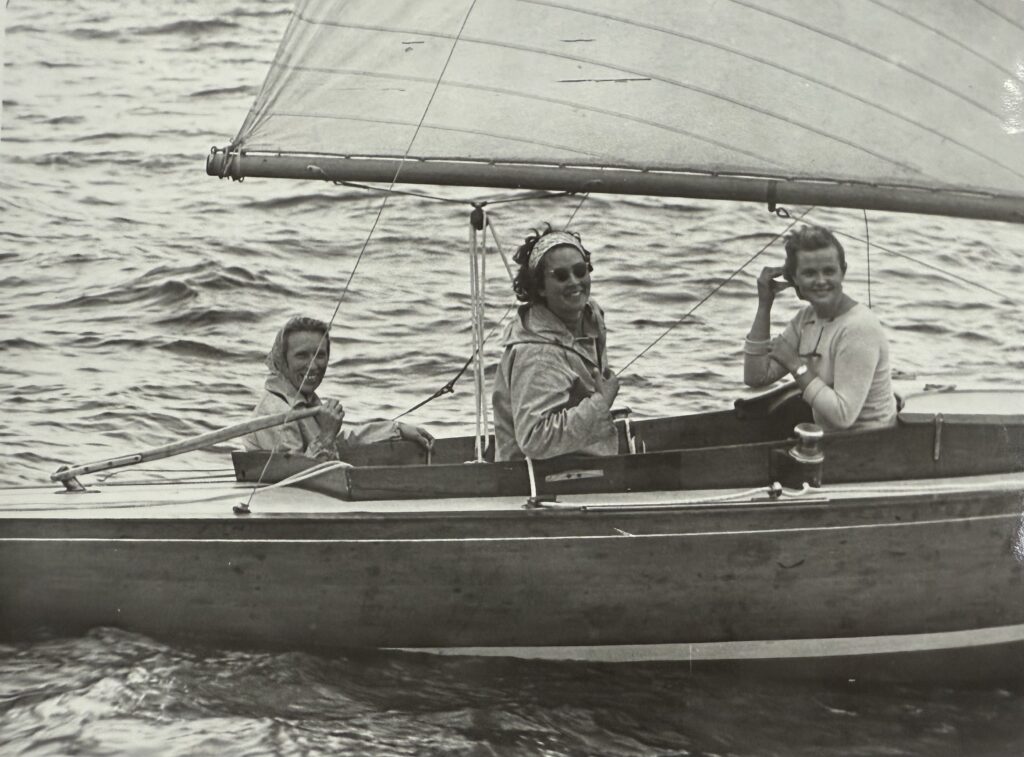
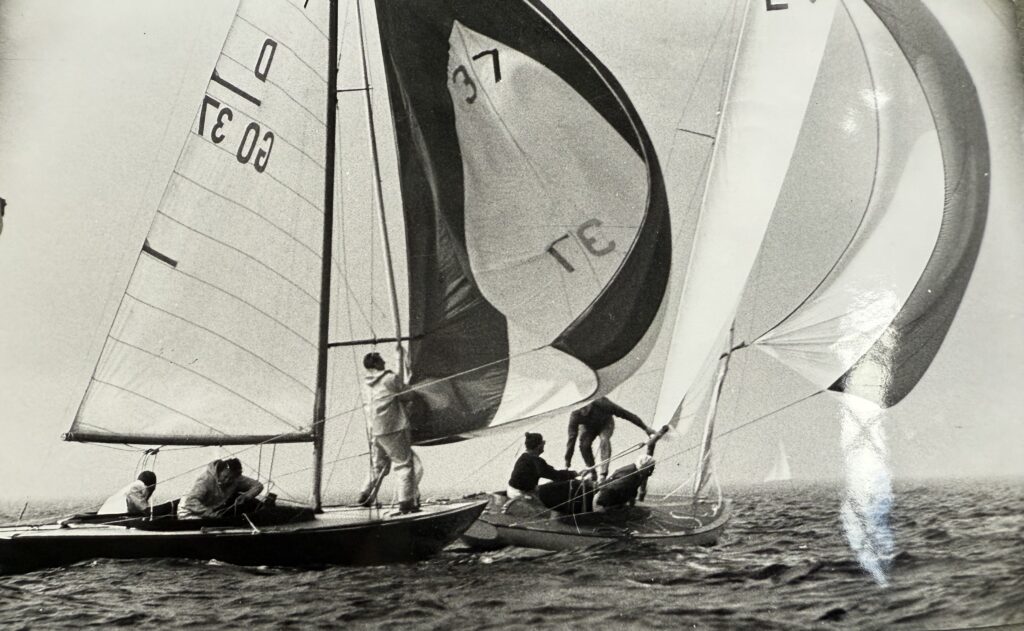
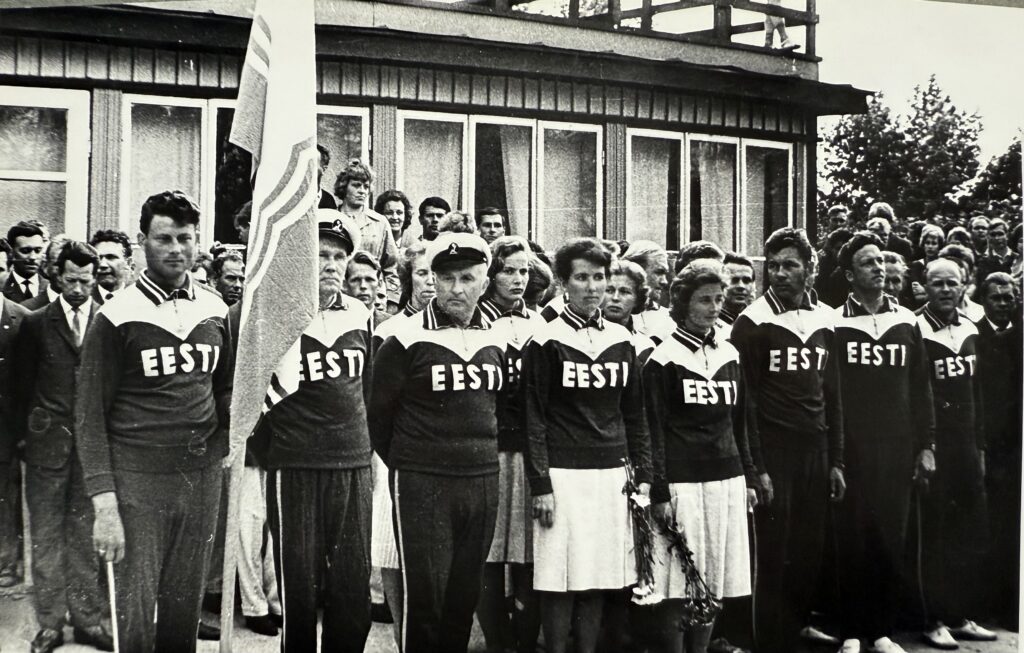
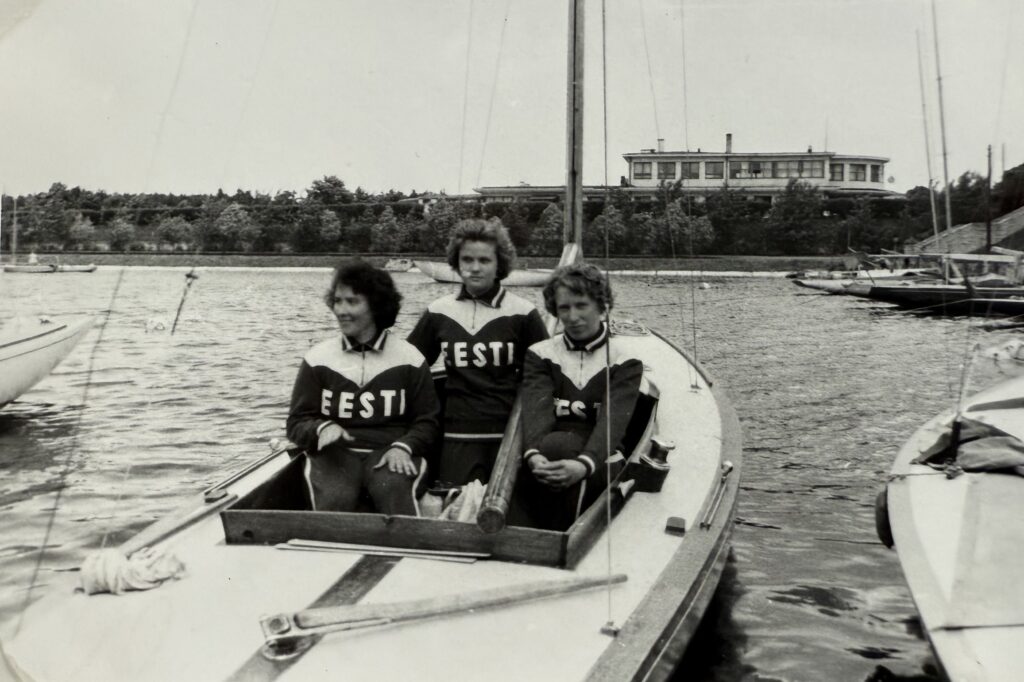
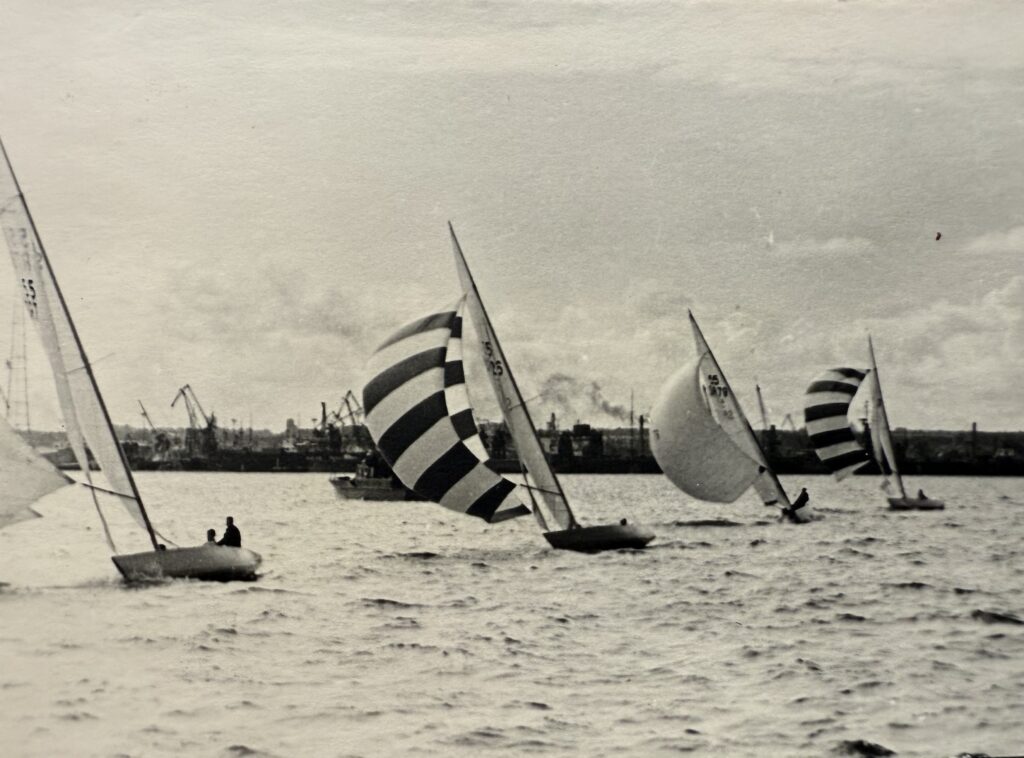
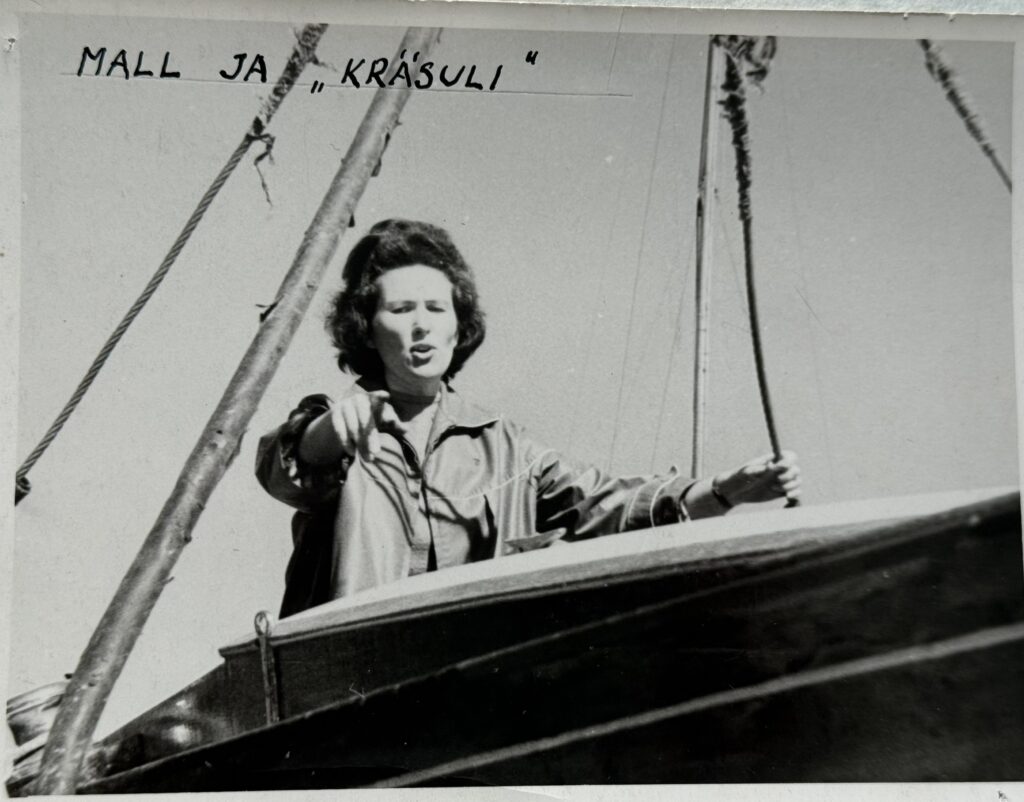
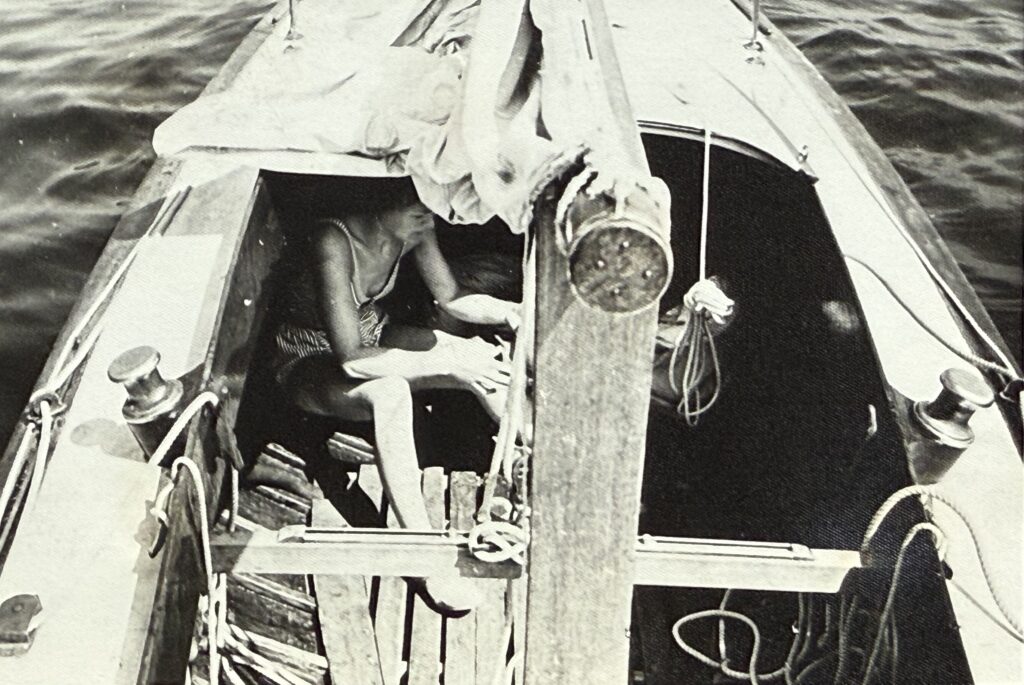
Estonia produced several top-level Dragon sailors within the Soviet Union, including Endel Kirsipuu, Uno Poola, Uno Sibul, and Jevgeni Kazakov. Less widely known but worth remembering is that between 1953 and 1963, the Soviet Union held a separate Dragon class for women. Around twenty all-female teams competed, nearly half of them were from Estonia. Ester Käpa Luiga and Urve Jürjo became multiple-time Soviet champions, while Astrid Tamre also frequently fought her way onto the podium. The final women’s event took place in 1963 in Mariupol, then known as Zhdanov.
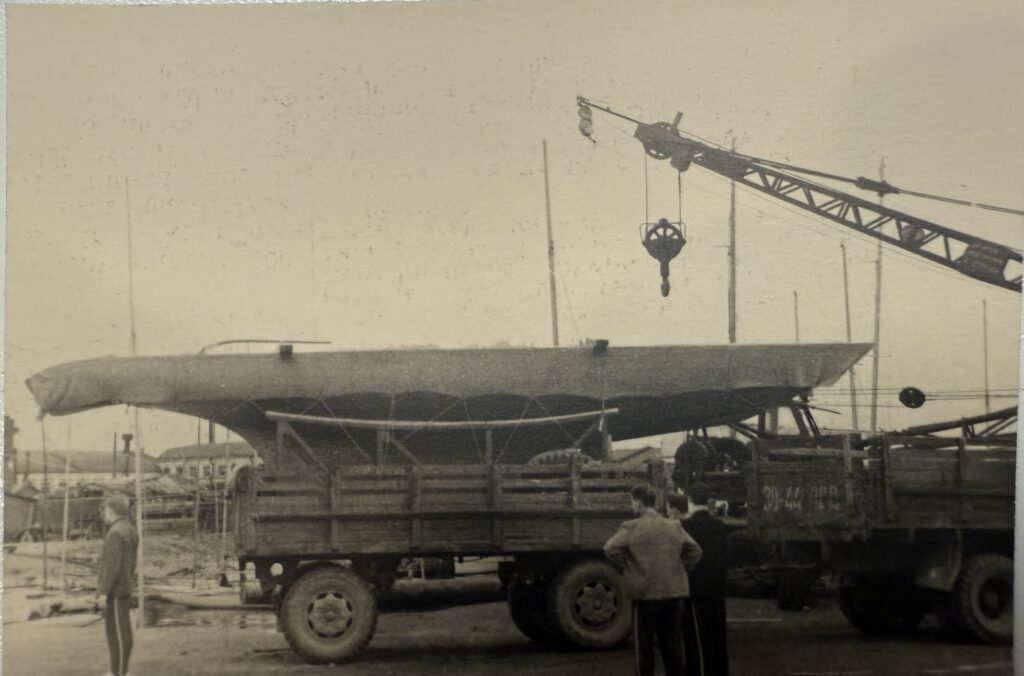
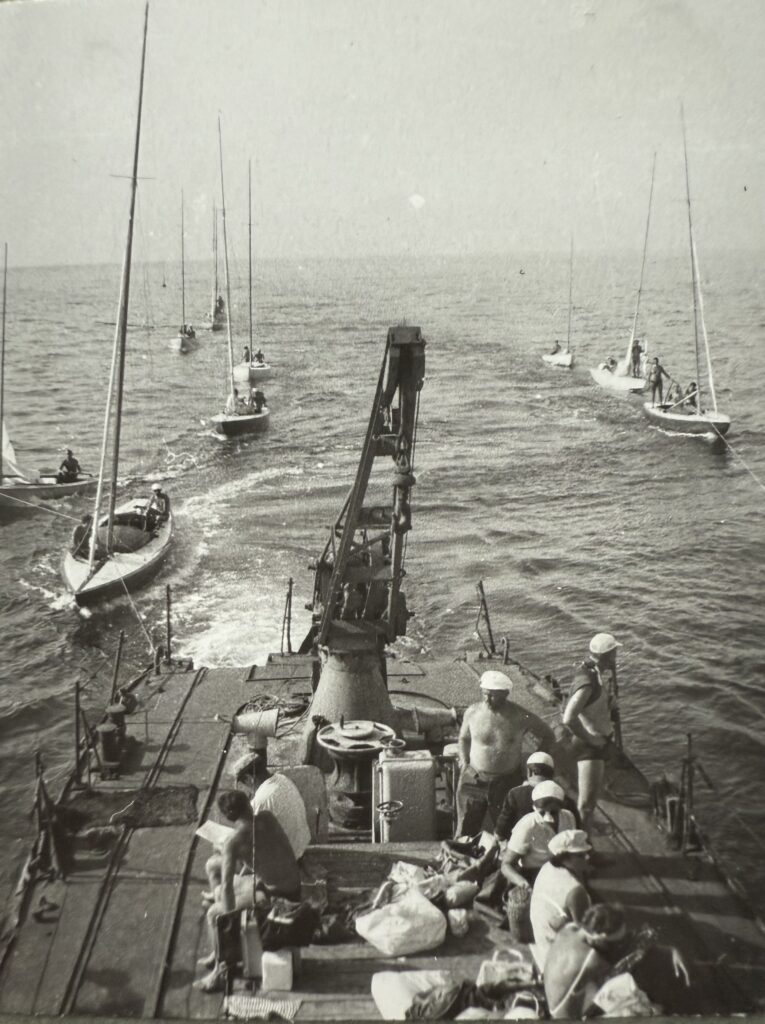
In summer, training and regattas were held on the Baltic Sea; in autumn and winter the sailors relocated to the Black Sea, with the yachts transported either by rail or on open lorries. At the time, sails were still made of cotton, polyester came much later.
I recently sat down with Jevgeni Kazakov, Estonia’s “grand old man” of the Dragon class, eleven-time Estonian champion and still racing at 88.
JEVGENI KAZAKOV:
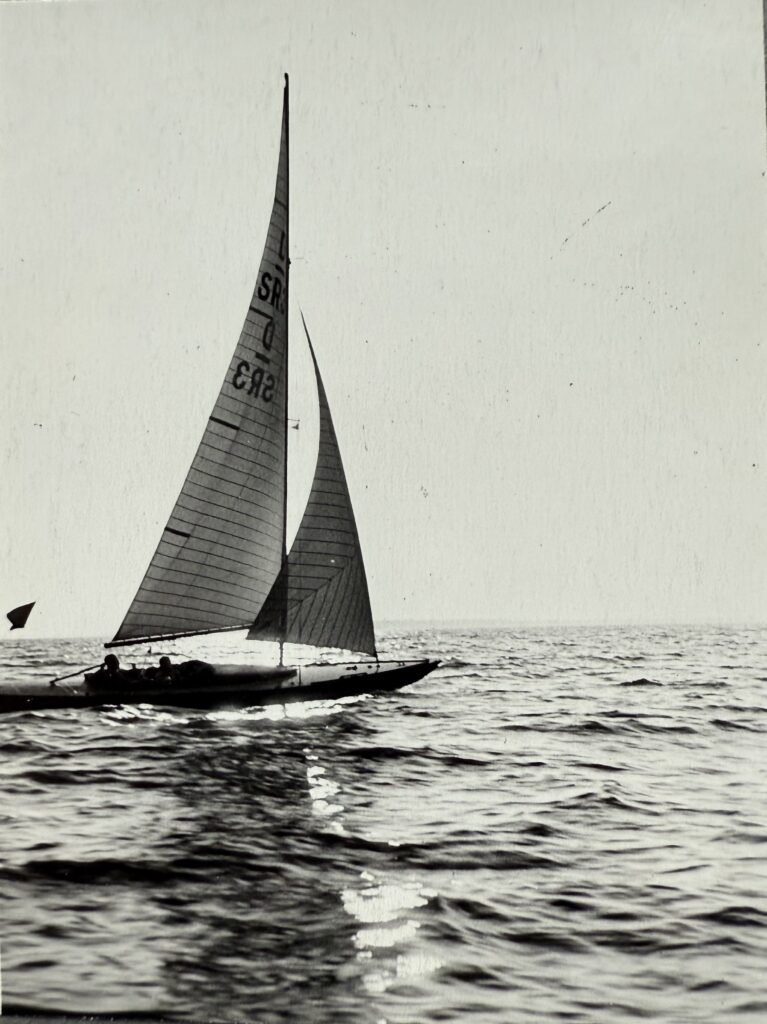
When I started sailing in 1963, I dreamed of a Flying Dutchman (a two-person dinghy). But at the time Kalev Yacht Club had none available and instead they offered me a Dragon sitting abandoned in the “graveyard” behind the workshop. Luckily, the skilled workshop crew Kiil, Raun, and Toppi agreed to help me bring her back to life. By the end of the summer, we had the Dragon seaworthy again. The boat was named Aegna, sail number SR7.
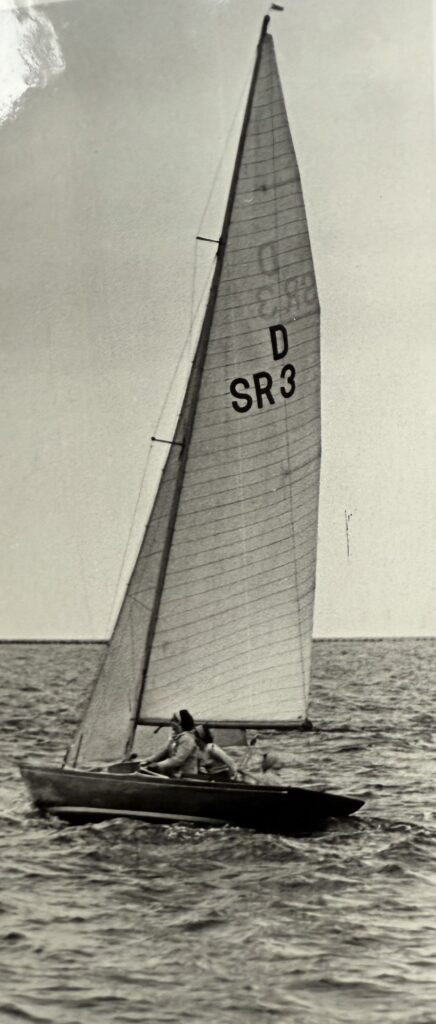
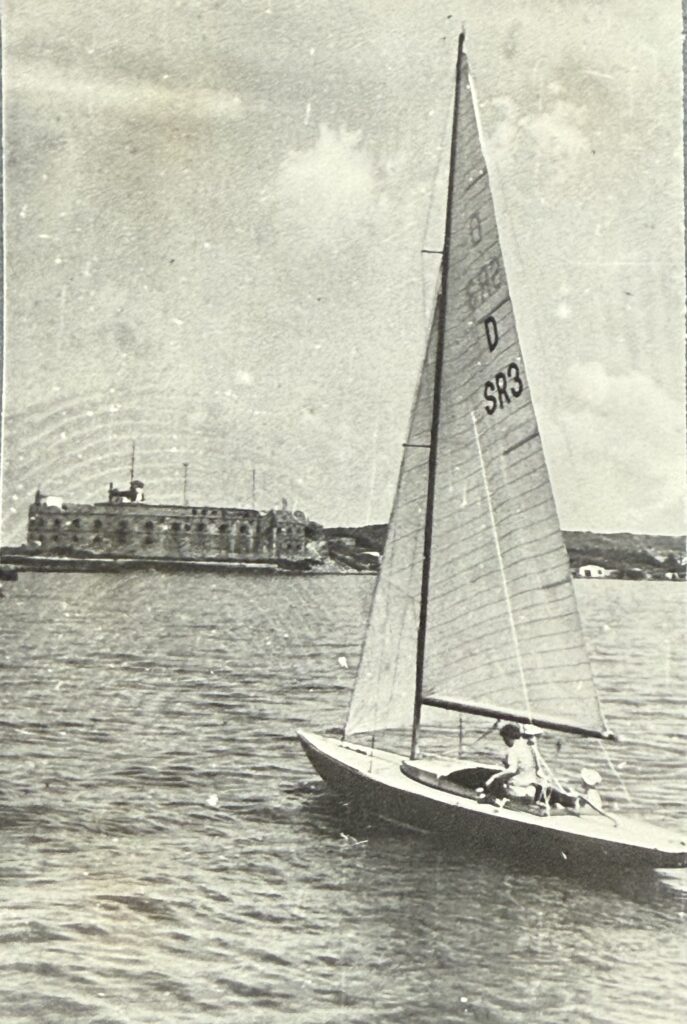
I only sailed her briefly that autumn, because the following spring I received an even better boat – Asta Veldre’s former Dragon, since the women’s team got a new one. She was a Norwegian-built Dragon named Kräsuli, sail number 3, and I sailed her for three seasons.
In my third year, Endel Kirsipuu, the then top Dragon sailor in Estonia, invited me to join his team for the Soviet Championships. I was surprised, but I went and we won bronze. Our second place in the Cup races earned me the title of Master of Sport. Crew needed to achieve the norm twice; helmsmen only once.
We agreed that in local regattas I would helm my own Dragon, but internationally I would serve as his spinnaker man. We even won the Helsinki Regatta a couple of times.
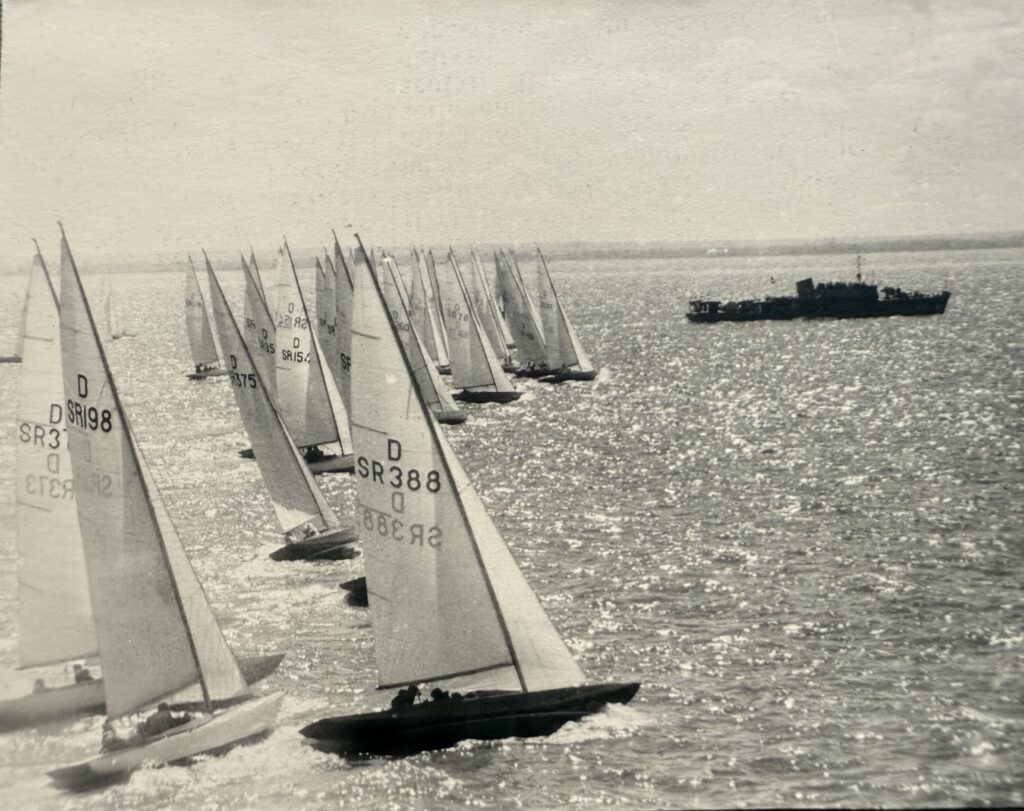
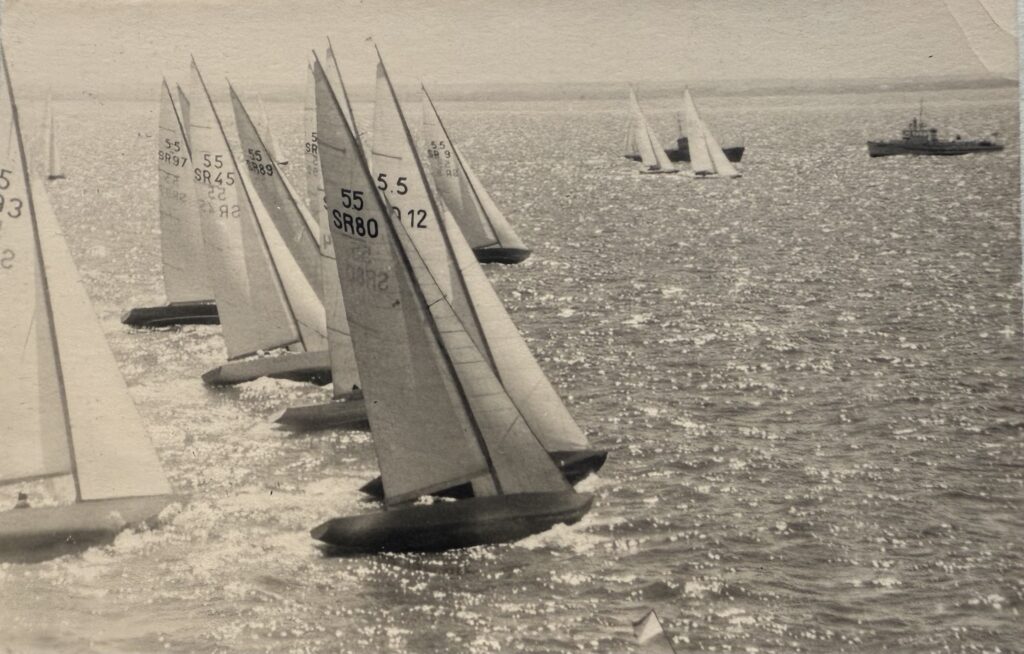
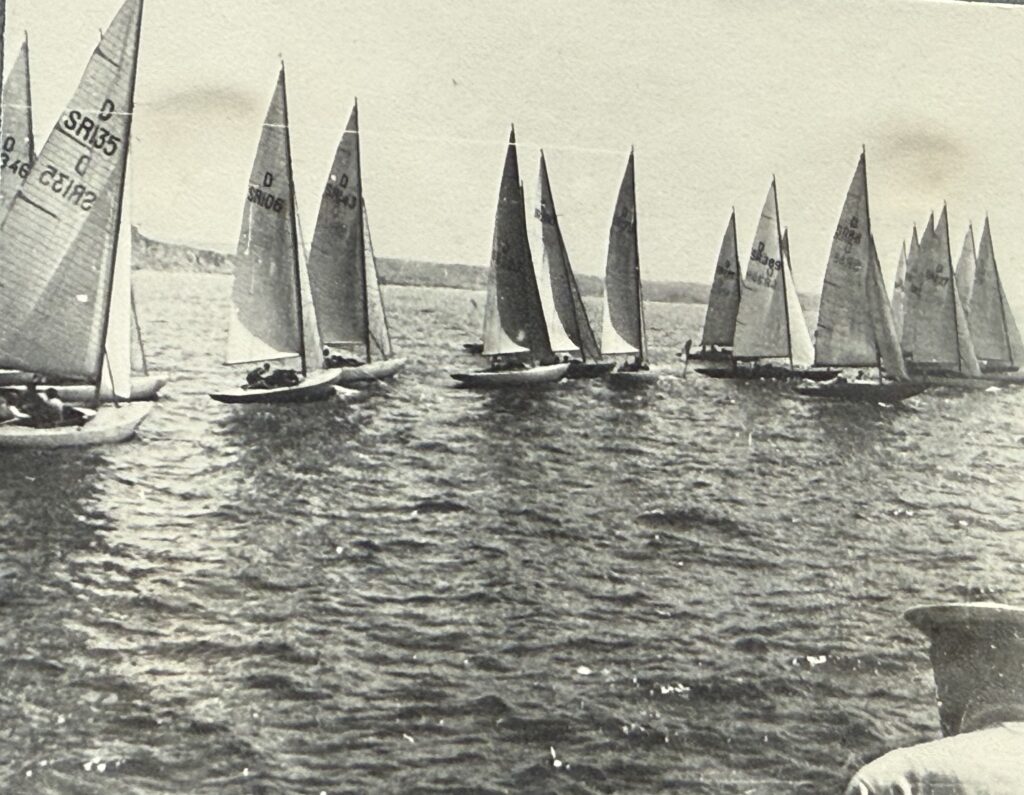
Kirsipuu retired from sailing in 1969, and I inherited all his gear along with his mahogany Dragon Iil, by then carrying the number SR634. With her I began helming at the Soviet Championships. That year an impressive sixty-nine Dragons lined up at the start. The top eighteen advanced to the final and I scraped in as the last qualifier, finishing just ahead of ten-time Soviet champion Viktor Poppel. Ultimately, I placed seventh in my first major event.
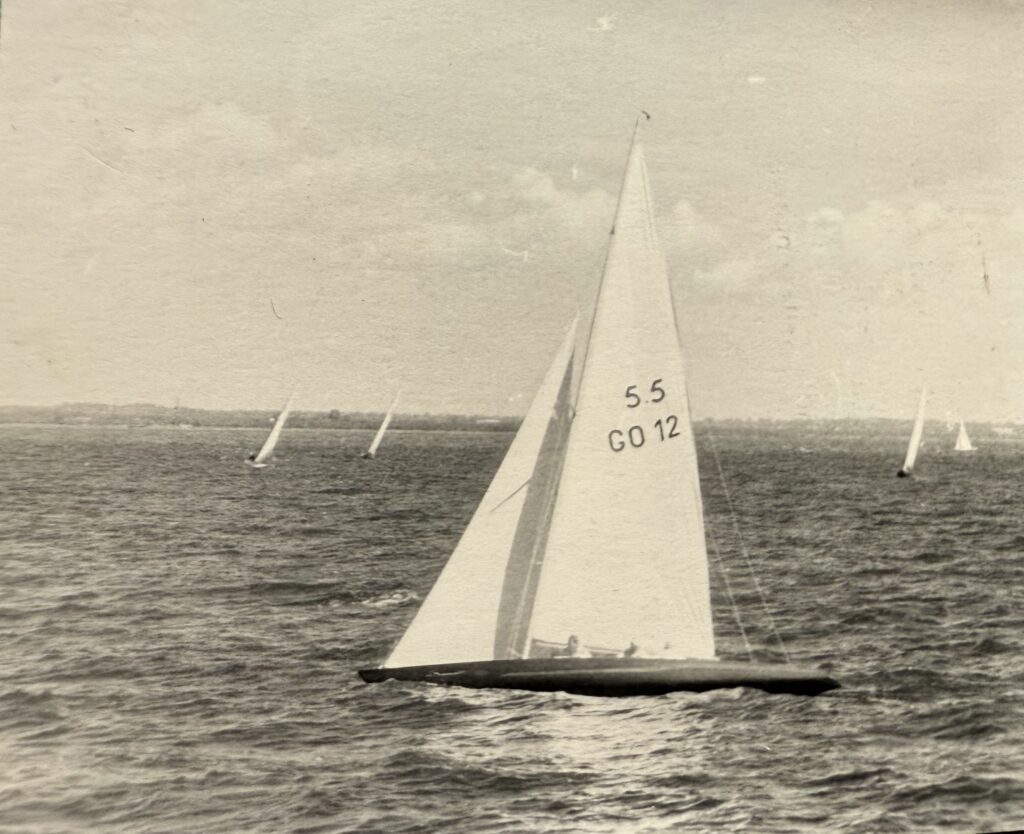
The Estonian Championships were major affairs in those days – thirty-one Dragons competed for the national title in 1970. When the 5.5R class was removed from the Olympics, many of its top sailors migrated to the Dragon, among them Mihhail Bobritski, Aleksander Tšutšelov, and Vello Räime. Räime won the title that year and I placed second.
1972 was the Dragon’s final Olympic year. I had just been accepted into the Soviet trade unions’ national team reserve and received permission to build a new yacht at the Tallinn Sports Boat Factory. I worked on that boat from morning till night, and when the hull was finished, the renowned measurer Heino Kuivjõgi came to inspect it. After completing the measurement, he wanted to measure it again. Once he finished the second round, he just nodded and said: “Well, well, when they try, they really do know how to build boats.”
The difference between the port and starboard was only 2.5 mm.
With that yacht, I finished second at the 1972 Soviet Championships, third at the Baltic Regatta, and won the Soviet Cup. And then, suddenly, came the announcement the Dragon was no longer Olympic class. Back then it was simple – if your class wasn’t Olympic, nobody cared. Dragons were scrapped or sold, many of them to Russia. My yacht was traded for an aluminium speedboat. Within a couple of years almost all Dragons vanished from Estonia. I switched to the Soling.
The revival began in 1997. I was offered a neglected Dragon at the Kalev Yacht Club workshop. Restoration would cost 10,000 dollars. We shook hands, and just like that, I was a Dragon sailor once again.
In 1998 I approached the Finns with the idea of participating in Estonian Championships, should I organise such an event. After all, one cannot race alone. The ever-enthusiastic Timo Nurmilaukas embraced the idea and promised to bring not only Finnish teams but other strong Dragon crews as well. He persuaded Paul Richard Høj Jensen, Denmark’s multiple-time Dragon world champion and winner of the Soling class at the 1980 Olympic regatta in Tallinn. And to universal astonishment, Denmark’s Prince Henrik joined Jensen’s crew. Jensen’s Dragon arrived in Tallinn aboard the prince’s royal yacht.
That year next to my Dragon eight Finnish boats and the Danish team lined up in Tallinn. A small mishap struck when my crew, Nikolai Poljakov and Sven Kochberg, discovered at the top mark the spinnaker had been left ashore, forcing us to sail the first two races without one. Even so, we finished 5th and 4th, and 3rd overall.
This marked the beginning of a new era. Soon we were travelling to regattas across Finland and Europe.
At one point Jaak Unnuk convinced me to sell my beautifully restored wooden Dragon to him and ordered a new one from the Pettigrows in England. But fate is kind: later I reacquired my Tallinn-built mahogany My Dream and have restored it to her former glory now. She’s very dear to me and I’ve known her since 1964, back when Mihhail Bobritski sailed her.
In 2001 I began pitching the idea of hosting the European Championships in Tallinn to the Finns and Danes we regularly raced with at international regattas. Thanks to Prince Henrik of Denmark, who stated at the decisive meeting, where Denmark and Estonia were the two candidates, “We’ve raced in Denmark many times and will do so again, but for Estonia it would be the very first time,” the decision was made in our favour. And that is how the 2004 Dragon Class European Championship came to Tallinn. By then, Estonia already had eight Dragons. The number dropped slightly afterwards, but today we once again have more than twenty boats on the starting line.
The Dragon is often referred to as the royal class, as the kings of Spain, Sweden, Norway, and, along with several crown princes, have raced it. It carries an unmistakably aristocratic presence. It is an exceptionally beautiful yacht whose sleek lines are striking both on water and on the slipway.
I’ve raced against several of these royal connoisseurs. Prince Henrik would always invite me aboard his royal yacht for a glass of wine. Once, in Switzerland, we waited three days for wind, and every evening Henrik hosted a reception – an invitation I never failed to receive.
The most recent championship event held for Dragons in Estonia was the 2024 European Championship regatta in Pärnu, where 60 teams from 15 countries competed for the title. The participants were unanimous in their praise for the event’s organisation, and with any luck we will soon see these royal Dragons gracing our waters again at future championship regattas.
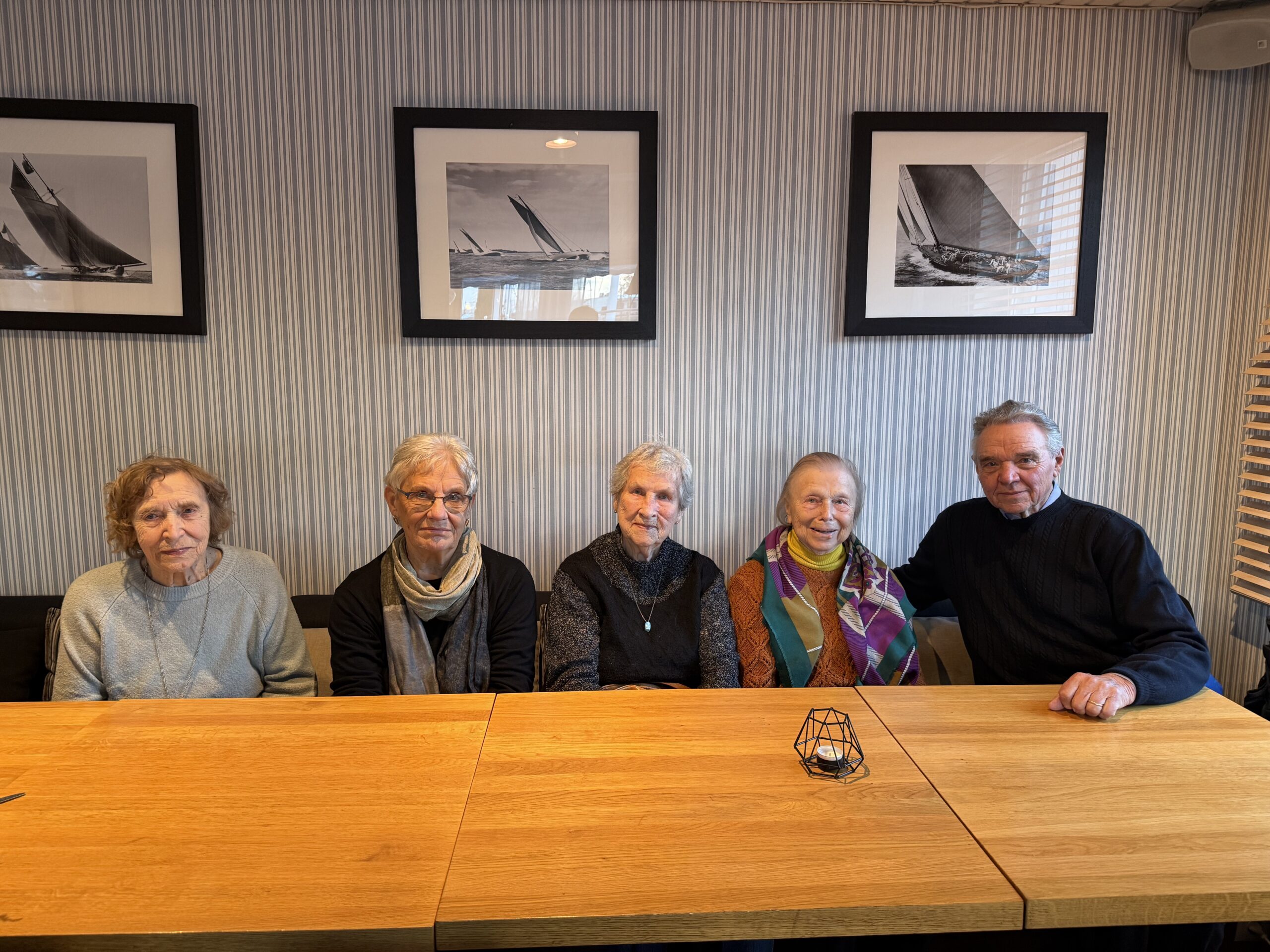
Contributions from (Left to Right) Astrid Talumäe, Juta Lember, Malle Alumäe, Maara Müürsepp and Jevgeni Kazakov
They are all highly experienced and successful dragon-sailors. Ladies are not active sailors anymore, but are active Kalev Yacht Club veteran members. Mr Jevgeni Kazakov, 88 years old, is still sailing and racing (helm), and finishes often in the top places. In 2025 in The Estonian Dragon Thursday Cup his team was 4th in overall.